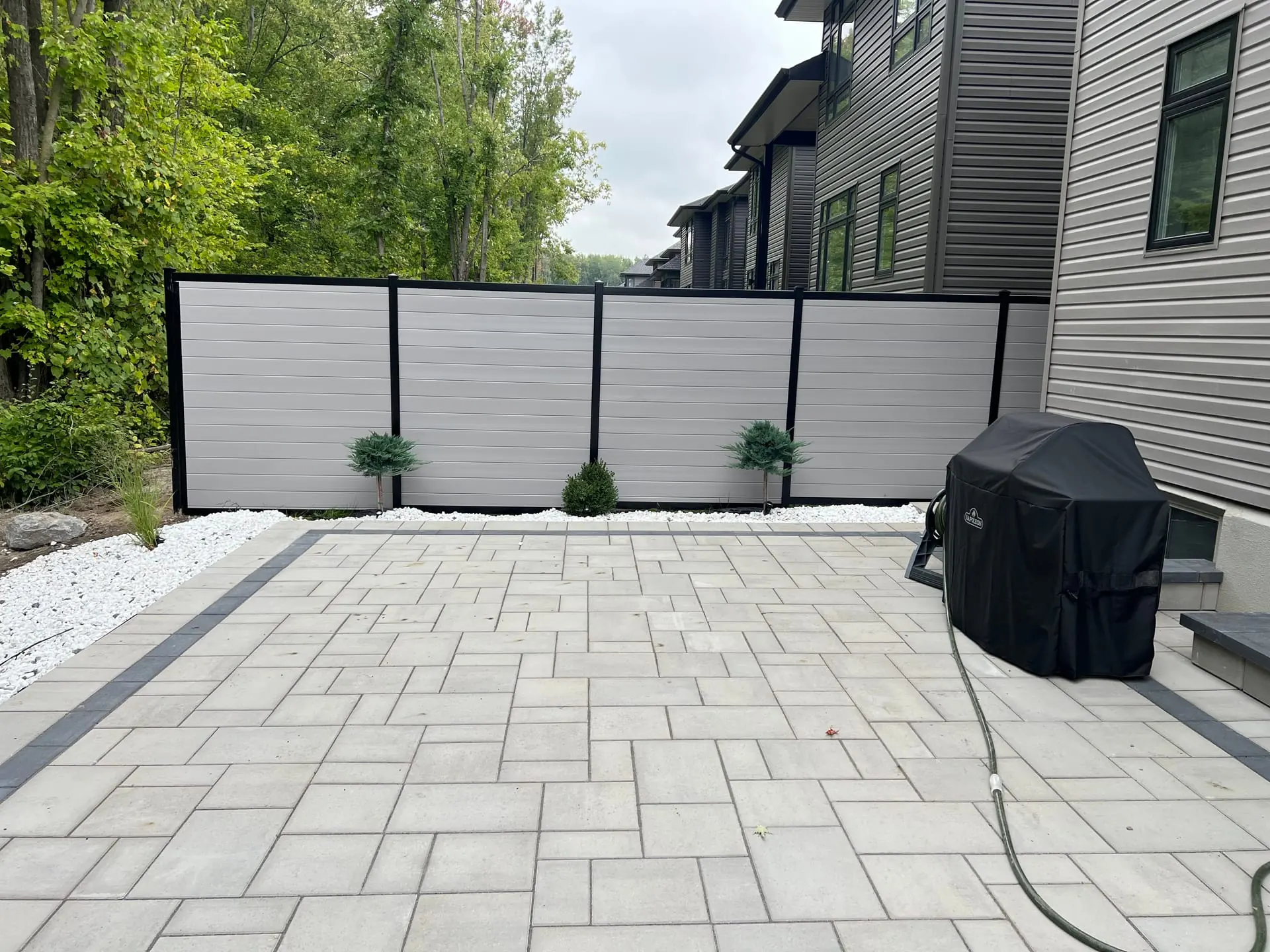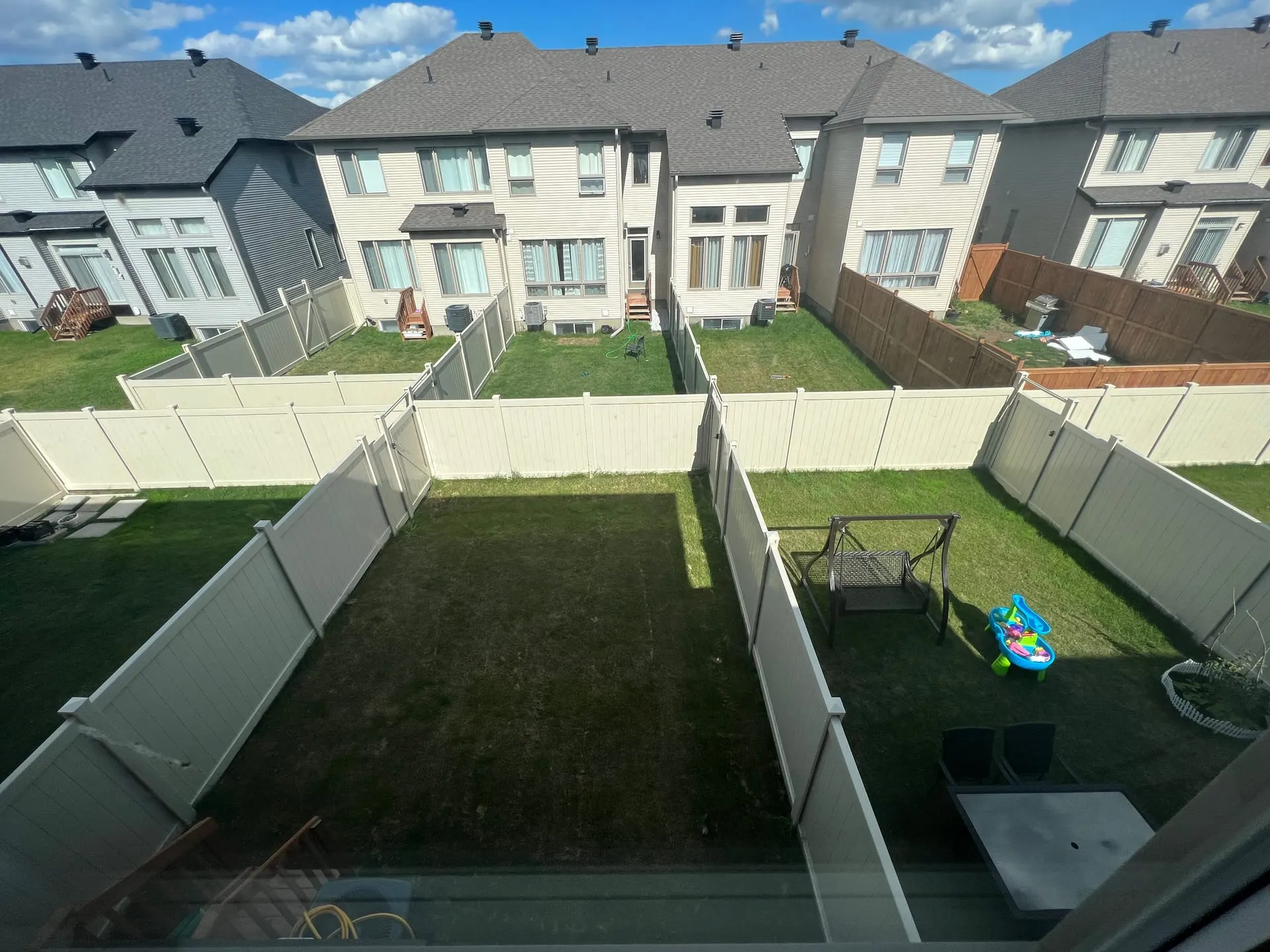
PVC and wood are the two most common fencing materials Ottawa homeowners choose between, and both have loyal fans for good reason. But Ottawa isn't a mild climate — temperatures swing from -30°C to +35°C, and the ground freezes and thaws dozens of times each winter. That cycle is genuinely hard on a fence, and it's where the real differences between PVC and wood show up.
This post is a direct, practical comparison. For the full rundown of every fencing material available in Ottawa, see our complete residential fencing guide.
The Core Tradeoff: Upfront Cost vs. Zero Maintenance
The decision essentially comes down to one tradeoff. Wood costs less to install but requires ongoing maintenance and will eventually need repair or replacement. PVC costs more upfront but needs almost no maintenance and is built to last far longer. Neither answer is "wrong" — it depends on whether you'd rather pay more now or pay a little, repeatedly, over time.
How Each Material Handles Ottawa's Freeze-Thaw Cycle
Wood is an organic material, and organic materials move with moisture and temperature. As water gets into the wood grain and then freezes, it expands — this is exactly the mechanism that causes boards to crack, warp, and posts to heave over a few winters. Cedar resists this better than pressure-treated lumber because it's naturally more rot-resistant, but neither is immune. A sealant coat every 2–3 years significantly slows this process, but it doesn't stop it entirely.
PVC doesn't absorb moisture the way wood does, so there's no freeze-expansion mechanism to crack it. Quality PVC fencing is engineered specifically to flex through Ottawa's freeze-thaw cycles rather than fight them, which is why it doesn't crack, warp, or rot the way wood eventually does — and why it's become the most popular residential fencing material in the city.
Cost Comparison: Upfront vs. Total Cost of Ownership
Installed, pressure-treated wood runs roughly $55–$85 per linear foot and cedar $65–$95, while PVC starts from about $75 per linear foot and typically runs $75–$110. So wood wins on day one. But wood also needs a stain or sealant application every 2–3 years for the life of the fence, plus occasional board replacement as sections show rot or damage. PVC's maintenance cost, by contrast, is close to zero — an annual wash with mild soap and water is essentially it. Over a 15–20 year horizon, the math very often tips in PVC's favour once you account for wood's recurring maintenance labour and materials.
Maintenance Requirements Side-by-Side
- PVC: Wash annually. Inspect posts after severe frost-heave seasons. That's the entire maintenance list.
- Wood: Stain or seal every 2–3 years without fail. Inspect boards and posts annually. Replace any board showing rot immediately, before it spreads to neighbouring boards.
The wood maintenance schedule isn't optional in Ottawa's climate — skipping a scheduled sealing significantly shortens the fence's usable life.
Aesthetics and Resale Value
Wood has a warmth and natural texture that some homeowners prefer, and it can be stained to match a home's exterior in a way PVC can't. PVC comes in a narrower colour range but holds its finish indefinitely — it won't fade, grey, or need refinishing to look presentable at resale time. If the natural wood look matters to you but you don't want the maintenance, hybrid fencing (PVC/composite boards with a wood-grain texture) is worth a look — it splits the difference on appearance while keeping PVC's low-maintenance profile.
Which Should You Choose?
- Want the lowest upfront cost and don't mind maintenance? Choose pressure-treated wood.
- Want a natural, classic look and are willing to seal it every 2–3 years? Choose cedar.
- Want to never think about your fence again? Choose PVC.
- Want the wood look without the wood maintenance? Choose hybrid.
AMA United installs both PVC and wood fencing across Ottawa, including Nepean and Stittsville, and we'll give you an honest recommendation based on your property and budget rather than pushing whichever material has the highest margin. See our full residential fencing services for photos of recent PVC and wood installs.
How Each Material Ages Over 10 Years
Picture both fences a decade after installation. A well-maintained wood fence — sealed on schedule every 2–3 years — will likely still be standing and functional, but you'll see some greying between coats, a few boards that needed spot replacement, and posts that may show minor movement from repeated frost heave. A neglected wood fence tells a very different story: cracked and warped boards, visible rot at the base where moisture collects, and a leaning or shifted structure that no longer looks like it did on day one.
A PVC fence at the ten-year mark typically looks almost identical to the day it was installed. The panels don't fade meaningfully, the surface doesn't need refinishing, and there's no rot risk because there's no organic material to rot. The main thing to check after a decade is post stability, since even PVC posts are subject to the same ground movement as any other material — but the panels themselves show their age far less than wood does.
A Note on Long-Term Value
It's worth separating "cheaper" from "better value." Wood is cheaper on installation day. Whether it's better value depends entirely on whether you'll actually keep up with the maintenance schedule — a wood fence that gets sealed every 2–3 years without fail can be genuinely excellent value, while one that gets neglected can end up costing more in repairs and early replacement than PVC would have cost from the start. Be honest with yourself about which homeowner you are before deciding.
Not Sure Which Fence Is Right for You?
AMA United Company installs both PVC and wood fencing across Ottawa. Free on-site consultation, transparent pricing, and a 2-year workmanship warranty on every project.
Get a Free Fence Consultation